
Adherence to Policy
Our lab strictly aligns with international standards for synthetic media. We maintain active dialogue with regulatory bodies to remain ahead of ethical requirements.
Global Rev: 2026.1
Synthetic media requires an expanded moral architecture. BizDocs GAN Laboratory operates under a rigorous framework designed to mitigate misinformation and enforce source integrity in image synthesis.
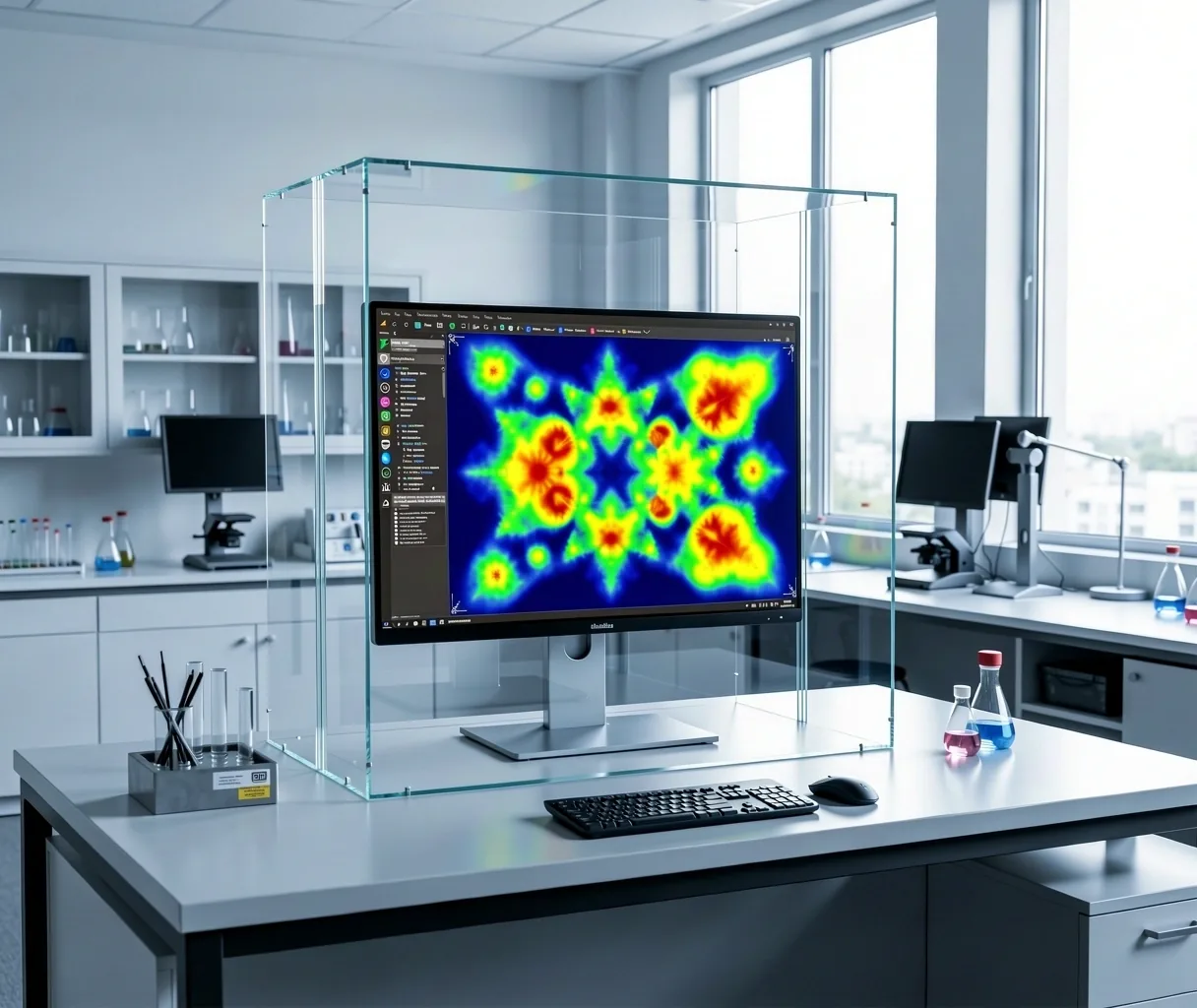
In the GAN Laboratory, synthetic media is treated as a clinical instrument. We recognize that high-fidelity image synthesis occupies a delicate space in public trust. Our mission is to provide the R&D community with precise tools while preventing the weaponization of generated visuals.
Our internal vetting process begins long before the first hyperparameter is tuned. We perform a comprehensive screening of every synthesis request, analyzing the objective, the end-user, and the potential downstream effects. If a project presents a measurable risk of promoting misinterpretation or fraudulent representation, we decline engagement.
Responsibility is not a constraint on synthesis—it is the structural integrity that makes high-fidelity models viable for enterprise use.
To ensure transparency, BizDocs embeds non-destructive forensic watermarking within the latent space of every output. This signature allows reviewers to verify the synthetic origin of any image generated within our facility, creating an immutable trail of accountability.
We operate within the "Uncanny Valley" by intention, ensuring our architectural-grade precision serves documentation rather than deception.

Our lab strictly aligns with international standards for synthetic media. We maintain active dialogue with regulatory bodies to remain ahead of ethical requirements.
We never use datasets containing non-consensual PII. All training data is legally cleared and audited for bias.
Clients receive a full disclosure of model constraints and theoretical fidelity limits upon delivery.

Official Laboratory Location
1 King St W, Toronto, ON M5H 1A1, Canada
Next Steps